
Category: organizational design
-
The Board Is Not Flat

Photo by Elena Popova on Unsplash Yes, I know that’s Go. That’s partly the point. ~Dom I don’t particularly like chess. I am reasonably decent at it, although I have never played enough to earn a rating, and I recognize most of the reasons people admire the game. Chess teaches patience and sacrifice, and it…
-
Cultivating Revenue

Photo by Max Chen on Unsplash Author’s Note: This week’s article deliberately steps a little outside the usual language of boardrooms, business schools, and technical architecture. The metaphor that follows comes instead from the fiction I read and the games I play. That is intentional. An idea’s origin tells us something about its context, but…
-
Letters to Versailles

Photo by Jessica Kantak Bailey on Unsplash There is something almost unfair about seeing Versailles for the first time. We arrive knowing how the story ends. We know about bread and debt, revolution and executions. We know the monarchy will fall, just as we know the palace will eventually become something closer to a monument…
-
Continuous Duty

Photo by Liam Briese on Unsplash There were always people on the floor who weren’t on a call. If you walked the aisles at eleven in the morning on an ordinary Tuesday, you’d see it right away. A headset pushed down around someone’s neck. Someone typing up notes from the last interaction. Someone leaning back,…
-
The Half-Life of Judgment

Photo by Nicolas Lafargue on Unsplash The morning the first iPhone 3G launched, the queue filled with a problem the queue had never seen. I was working in contact centers then, on the floor, hearing the beep of a new call arriving as soon as the previous one ended, watching the flood roll over us…
-
Path B

Photo by Mert Kahveci on Unsplash A few weeks ago, I had the first genuine career conversation of my professional life. I told my director that I intended to keep developing toward the most senior individual contributor levels, and that I had been politely declining recruiter interest in director roles for some time. He didn’t…
-
Aligned to the Quarter

Photo by Anne Nygård on Unsplash I build the instruments organizations use to watch themselves. Dashboards, databases, pipelines, semantic models, reports, and the row-level security rules that quietly decide who sees which version of the truth. The first thing that work teaches you is how easily a number stays green while the thing beneath it…
-
The Work We Couldn’t See
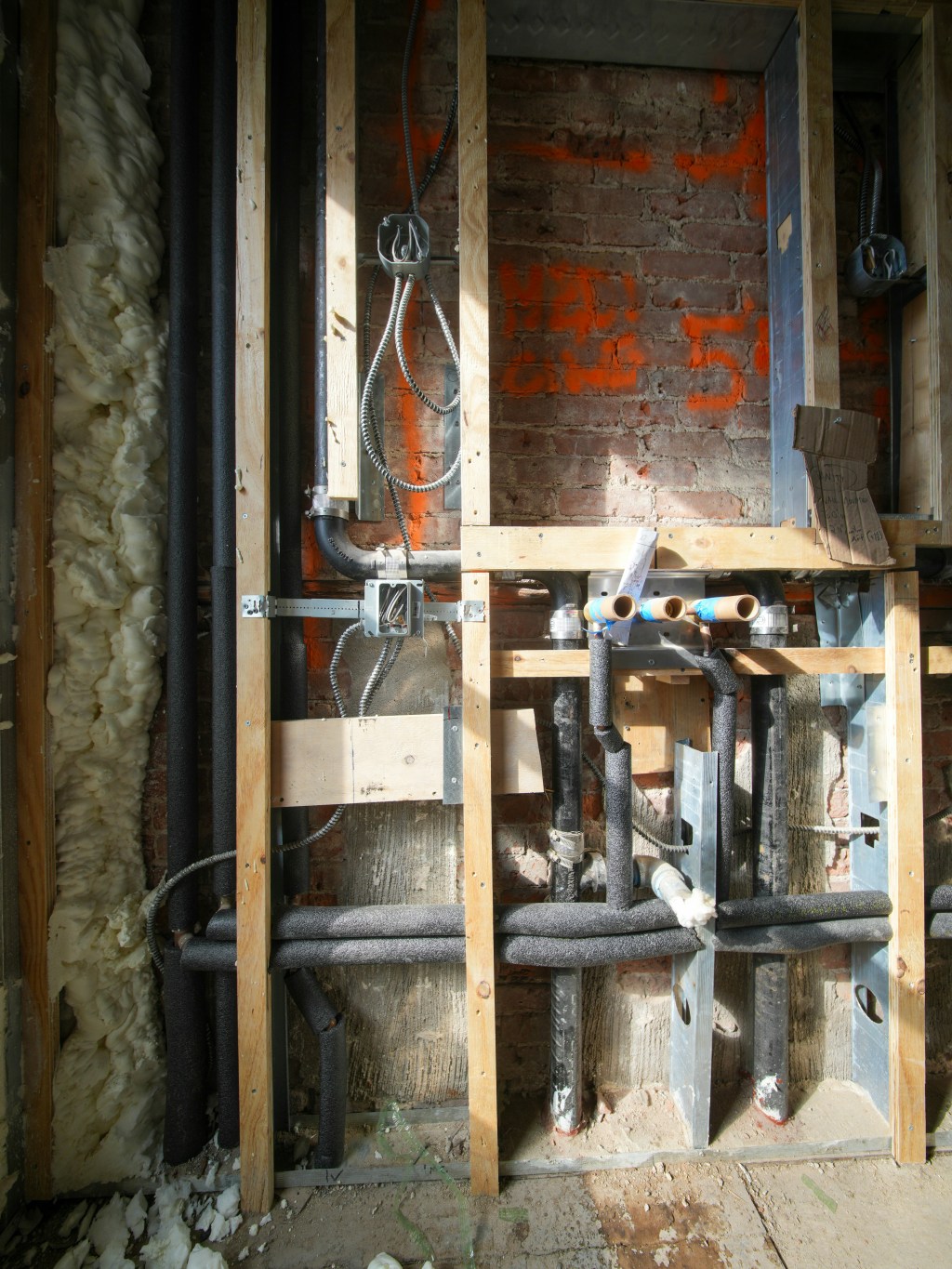
Photo by Olek Buzunov on Unsplash Author’s Note This is not an argument against AI, nor is it an argument that organizations are broadly incapable of making sound decisions. AI, when applied to well-understood domains with clearly defined inputs and outputs, works. It scales execution, improves throughput, and reduces the burden of routine work. I…
-
Incentives Don’t Translate

Photo by Rowan Freeman on Unsplash The meeting runs forty-five minutes. A decision gets made. Five people walk out. The shareholder representative leaves satisfied; the numbers presented justified the capital committed, and the projected return sits within acceptable variance for the horizon they care about. The executive leaves focused; the decision clarifies what will be…
-
The Grammar of Scale: Reframing Friction as Translation

Photo by Victor Rosario on Unsplash Four astronauts lifted off from Kennedy Space Center aboard Orion, bound for the Moon for the first time in more than fifty years. The mission had taken decades to reach the pad. Thousands of engineers, across dozens of organizations, had contributed systems that had to work together precisely; not…

