
-

Known Weaknesses
Photo by FlyD on Unsplash Author’s Note: The workplace examples in this piece are generalized from requests I have reviewed and stories shared by friends, colleagues, and community members over the past several years. Details have been altered, and none describes a specific person, team, or project. ~Dom The Bug Wasn’t Where They Were Looking… Read more
-
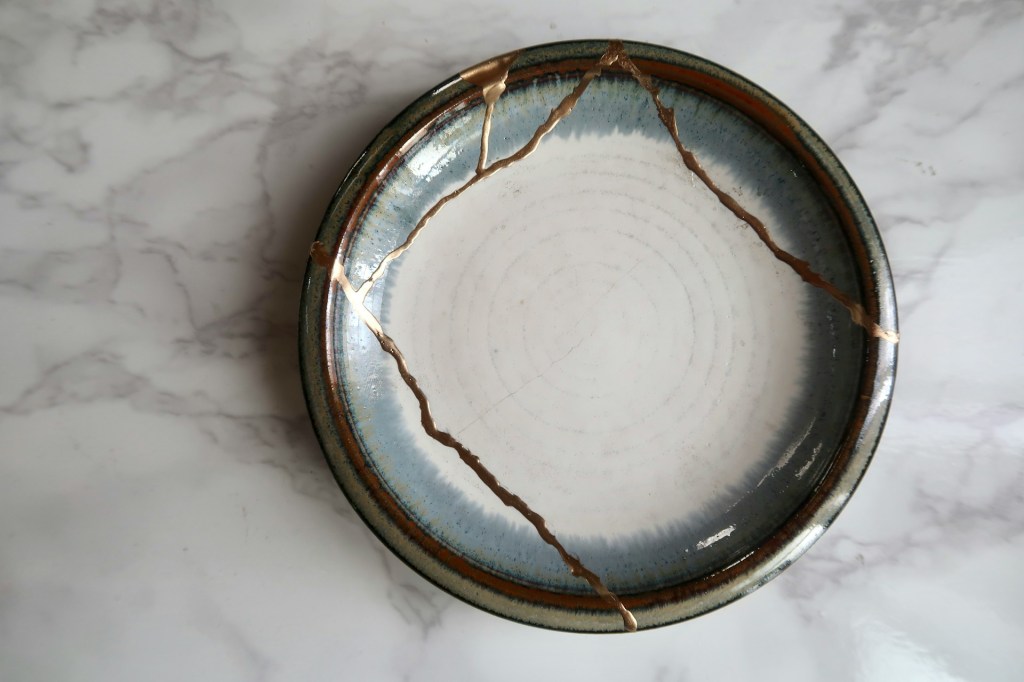
Second Place
Photo by Riho Kitagawa on Unsplash The report had been running longer than anyone currently responsible for it. It wasn’t sophisticated: a few pages, a handful of filters, and a set of numbers that a team opened every week to track progress against a defined target. Nobody thought of it as architecture. People thought of… Read more
-

Drawing Dead | An Architect’s Perspective on the Enterprise AI Bet
Photo by Julian Gojani on Unsplash You know what you are holding. Two cards, face down, and you have looked at them enough times to stop looking. You know the rules of the game, which hands beat which, and roughly how often the deck cooperates. You know how many chips are on your side of… Read more
-
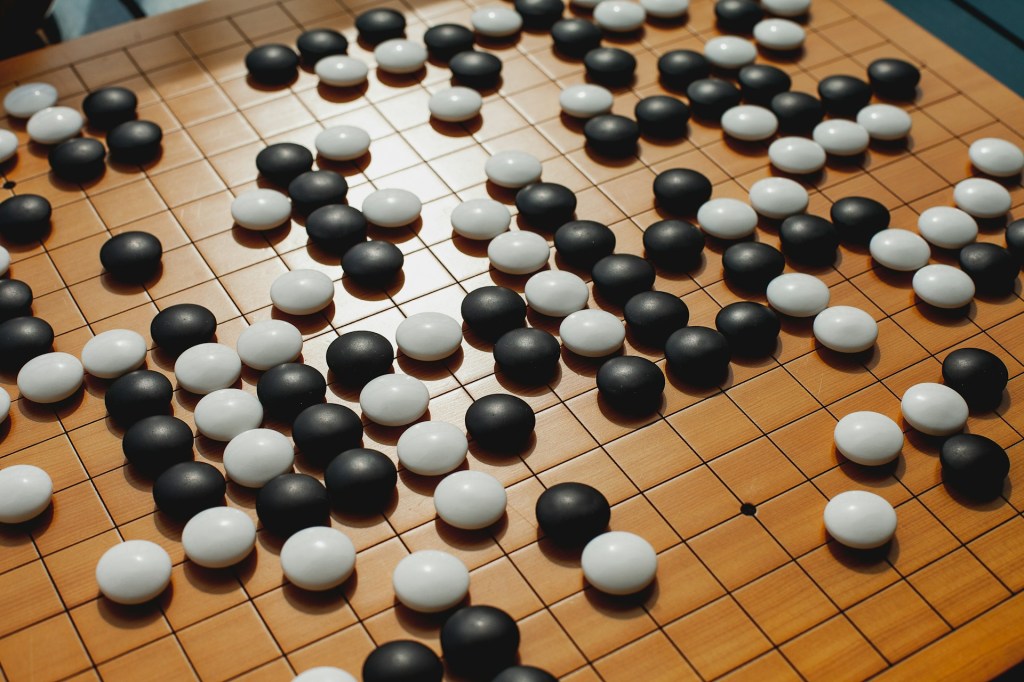
The Board Is Not Flat
Photo by Elena Popova on Unsplash Yes, I know that’s Go. That’s partly the point. ~Dom I don’t particularly like chess. I am reasonably decent at it, although I have never played enough to earn a rating, and I recognize most of the reasons people admire the game. Chess teaches patience and sacrifice, and it… Read more
-

Custody
Photo by Ishan @seefromthesky on Unsplash There is a particular sentence that appears in incident reviews, architecture meetings, postmortems, and inherited projects with remarkable consistency. “That predates me.” And usually, it is true. The person saying it did not make the decision. They were not in the room when the architecture was chosen, the exception… Read more
-

Cultivating Revenue
Photo by Max Chen on Unsplash Author’s Note: This week’s article deliberately steps a little outside the usual language of boardrooms, business schools, and technical architecture. The metaphor that follows comes instead from the fiction I read and the games I play. That is intentional. An idea’s origin tells us something about its context, but… Read more

