
Why Data Access Matters
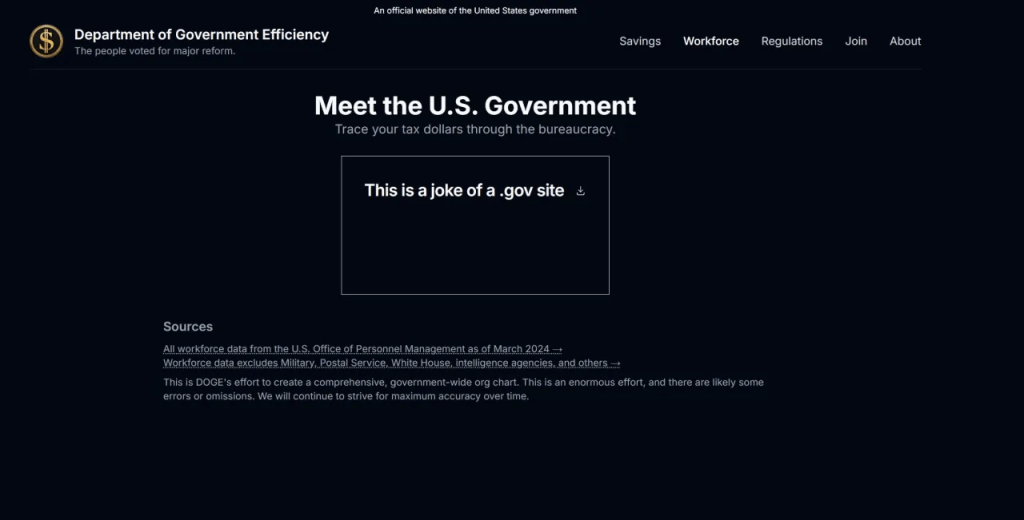
The Department of Governmental Efficiency (DOGE) has recently acquired far-reaching access to federal data, sparking unease among security experts and the public. Although DOGE’s stated mission is to boost operational efficiency within government agencies, its broad and largely unsupervised reach into critical data sets raises pressing questions about security, transparency, and accountability.
From an information security standpoint, the risks of centralizing data without clear oversight are well known. Concentrating large volumes of sensitive government information in one place creates a lucrative target for cyberattacks, insider threats, and potential misuse.
In this article, we look at DOGE’s wide-ranging data privileges through the lens of industry security standards—outlining potential pitfalls, real-world repercussions, and the reforms needed to address them.
Recommended Listening:
Industry Best Practices for Data Access & Oversight
To grasp the security challenges of DOGE’s data authority, we first need to establish universal best practices for managing sensitive data in government and corporate environments:
- Zero Trust Architecture (ZTA)
No user or entity should receive automatic, unfettered access. Every access request must be authenticated and monitored. - Compartmentalization
Data must be segmented according to need. A compromise in one area should never endanger the entire system. - Attribution & Accountability
Every action on sensitive data should be logged, reviewed, and traceable to specific individuals or systems. - Conflict of Interest Safeguards
Those who handle sensitive data should remain impartial, avoiding policy or industry ties that could bias decisions.
These principles are designed to reduce risk, bolster accountability, and safeguard high-value data. The real issue is how—or if—DOGE measures up to these standards.
Evaluating DOGE’s Security Risks
Looking at DOGE’s existing structure through a security-focused lens uncovers several red flags:
- Lack of Access Limitations
Evidence indicates DOGE operates with little to no clearly defined boundaries for its federal data requests. This effectively violates the principle of least privilege, which dictates access should be granted only where needed. There have even been cases where DOGE personnel were given write access instead of read, an oversight that could have further complicated the access control question, and which does already illuminate the lack of procedural controls involved. - Minimal Compartmentalization
Without adequate segmentation, an internal misuse or breach in DOGE’s systems could compromise a vast array of sensitive information. We’ve seen this play out in previous high-profile breaches, such as the 2015 hack of the Office of Personnel Management (OPM), where insufficient segmentation led to the theft of millions of personnel records. - Weak Attribution & Accountability
Questions remain about the depth of DOGE’s logging practices. If data activity isn’t thoroughly recorded and auditable, it becomes impossible to pinpoint whether data was inappropriately accessed, misused, or even tampered with. There have been cases where data not intended for the public has already been leaked through the DOGE team’s own site. - Potential Conflicts of Interest
Perhaps most concerning is DOGE’s influence on regulatory bodies that oversee industries in which Elon Musk has major stakes, such as SpaceX, Tesla, and Starlink. The absence of transparent firewalls between these agencies and DOGE’s leadership casts doubt on whether government oversight remains impartial.
Real-World Fallout: Consequences Already Unfolding
These security issues aren’t mere speculation; real effects have already been felt:
- Paused or Canceled Scientific & Public Health Research
Several critical government-backed studies—encompassing climate science, energy technology, and public health—have been stalled. This is especially troubling since these projects play a key role in monitoring environmental shifts, advancing renewable energy, and preparing for public health emergencies. - Nuclear Safety Oversight in Crisis
Nuclear safety officials were dismissed without a clear plan for succession, causing delays in nuclear safety operations. Given the high stakes of nuclear oversight, lapses here introduce significant national security risks. - Regulatory Disruptions & Influence Concerns
Agencies like the FAA, Department of Defense, and SEC have reportedly seen procedural changes following DOGE’s restructuring. Although no direct wrongdoing has been verified, the absence of checks and balances naturally fuels skepticism about undue influence.
Lessons from the Private Sector: Where Government Security Falls Short
In the corporate realm, large organizations rely on internal controls, role-based access, and automated audits to manage data securely. These approaches include:
- Role-Based Access Controls (RBAC): Limiting data availability to what an individual’s role explicitly requires.
- Automated Logging & AI-Driven Anomaly Detection: Using machine learning systems to flag irregular access patterns as they happen.
- Strict Conflict of Interest Policies: Preventing decision-makers from exerting influence in areas tied to their personal gains.
Comparatively, DOGE seems to lack a robust policy framework to address these areas. The need for immediate reform in the federal data access space is becoming increasingly evident.
What Needs to Change? Security & Oversight Reforms
To meet modern security demands and protect government data, the following steps should take precedence:
- Implement Zero Trust Security Policies
Require authentication for every single data request to reinforce the principle of “never trust, always verify.” - Enforce Stronger Data Compartmentalization
Limit the data any one office or entity can access at any given time. - Mandate Transparent Logging & Oversight
Record every data interaction comprehensively, and ensure these logs are regularly and independently reviewed. - Introduce Regulatory Firewalls
Eliminate potential conflicts of interest by establishing independent oversight mechanisms that monitor DOGE’s operations. - Restore Scientific & Safety Oversight Where Disrupted
Resume halted research and critical safety measures without political interference.
These proposals aren’t about political disagreements—they’re about defending vital data and safeguarding public interests.
Conclusion: The Bigger Picture
DOGE’s sweeping data privileges, combined with its unclear oversight framework, present a tangible security hazard. In a time when cyber threats and insider risks loom large, the last thing government systems can afford is a single point of failure… Especially when their own site has already been hacked.
The DOGE situation underscores a broader problem: outdated government data policies that fail to match modern security expectations. As industries embrace tighter controls and real-time monitoring, government agencies—especially those entrusted with sensitive information—must follow suit to maintain public trust.
Above all, the public deserves a system where security eclipses convenience, robust oversight outmatches unchecked access, and transparency triumphs over ambiguity.





Leave a comment