
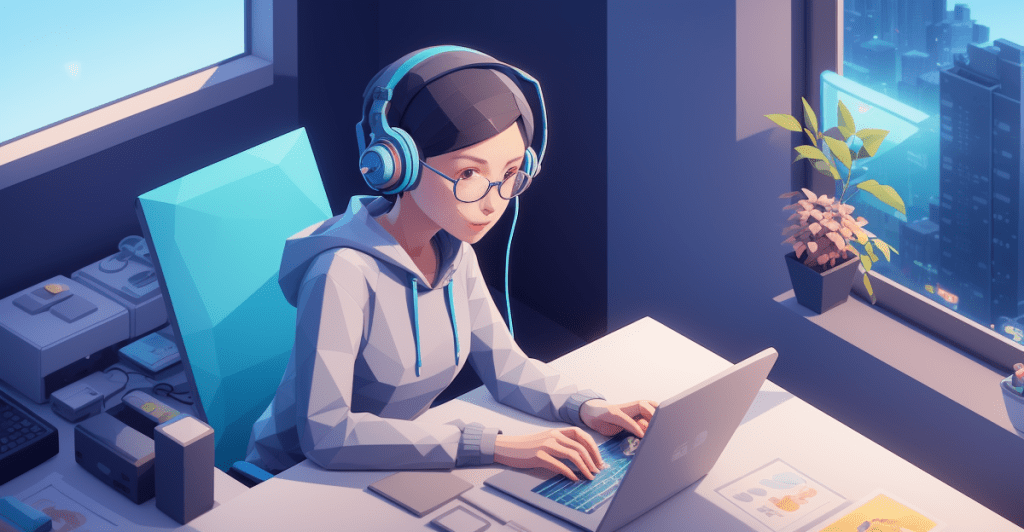
Recommended Listening:
As our digital and physical worlds continue to intertwine, the scales of work-life balance are ever-shifting. Smartphones buzz with late-night emails, Zoom and Teams calls blur the boundary of our personal spaces, and project management apps make the office a constant presence in our pockets. Yet, the same tools that push the boundaries of our 9-to-5 also hold the promise of greater flexibility and autonomy, challenging us to redefine what work-life balance looks like in the digital age.
In this article, we’ll navigate the nuances of maintaining harmony between our personal and professional lives, explore how technology can both hinder and help this delicate balance, and share strategies for leveraging digital tools to carve out a satisfying, sustainable work-life blend. Join us as we untangle the intricacies of living and working in our increasingly connected world.
Navigating the Digital Work-Life Dilemma
As much as digital transformation has been a boon to our productivity, it has also escalated the expectations for availability and response time. The “always-on” culture that has seeped into our work lives tends to blur the boundary between our personal and professional time. Here are some of the common challenges faced in maintaining work-life balance in the digital age:
24/7 Connectivity: The advent of smartphones, email, and instant messaging means that we’re always just a ringtone or a ping away from work. This constant connectivity can lead to the expectation (whether explicit or implicit) that we are always available, encroaching on our personal time.
Remote Work: With remote work becoming the new normal for many, the boundaries between home and office have become less distinct. While remote work eliminates commuting and provides flexibility, it can also lead to longer work hours, as working hours expand to consume
Digital Distractions: Social media, news feeds, and endless streams of digital content can be a constant source of distraction, interrupting focus, and leading to longer work hours. Before we blame Spotify or YouTube, though, we should remember that the same disruptions also come with Slack, Skype, Teams, and Outlook.
Lack of Physical Boundaries: Without the physical separation of home and office, it can be challenging to “switch off” work mode and fully engage in personal time, especially for those without extra space to set aside specifically for work.
Cyber Overload: The endless barrage of emails, notifications, and virtual meetings can lead to fatigue, stress, and a sense of being overwhelmed.
In the face of these challenges, it becomes crucial to rethink our approach to work-life balance and find ways to harness the power of digital tools to work for us rather than against us. In the sections that follow, we’ll explore some strategies to achieve this.
Digital Age Strategies for Work-Life Balance
Despite the challenges, the digital age also presents us with tools and opportunities that can help us achieve a better work-life balance. Here are a few strategies that can help:
Set Boundaries: It’s crucial to establish clear boundaries for when you are “on” and “off” work. This could be setting specific work hours, turning off notifications after a certain time, or creating a dedicated workspace at home.
Digital Detox: Regularly taking time away from screens and digital devices can help alleviate stress and restore balance. This could involve activities like reading a book, going for a walk, or practicing mindfulness exercises.
Leverage Productivity Tools: Use digital tools to your advantage. Project management tools, automatic email responders, and AI assistants can help manage workload and minimize distractions.
Prioritize and Delegate: Not everything needs your attention at once. Prioritize tasks based on their importance and deadline. Consider delegating tasks if possible.
Focus on Health: Regular exercise, a healthy diet, and adequate sleep are all crucial in maintaining a good work-life balance. Apps and wearable devices can help track your health habits and remind you to move, eat well, and rest.
Embrace Flexibility: The flexibility of digital work can be a boon. Use it to your advantage by tailoring your work schedule to when you are most productive, and balancing it with your personal commitments.
Stay Connected: Despite being physically apart, digital tools provide numerous ways to stay connected with colleagues. Regular virtual meetings, chats, and social events can help maintain a sense of camaraderie and team spirit.
Remember, maintaining a work-life balance is not a one-time task but an ongoing process that needs regular reassessment and adjustment. Don’t hesitate to change strategies if something isn’t working for you.
Fostering a Work-Life Balance Culture in the Digital Age
Creating a healthy work-life balance isn’t solely the responsibility of individual employees. Organizations also play a crucial role in creating a culture that supports and values this balance. Here are some strategies for organizations to consider:
Flexibility: Allow employees to have flexible work hours or the option to work from home. This can reduce commute time and allow employees to work during their most productive hours.
Clear Communication: Ensure that expectations regarding work hours and availability are clearly communicated. This can prevent the blurring of boundaries that often occurs in remote or flexible work arrangements.
Encourage Breaks: Encourage employees to take regular breaks and vacations. Employees who take time off are more productive and have better mental health.
Provide Resources: Offer resources that can support work-life balance. This could include providing access to productivity tools, training on time management, or services like virtual fitness classes or mental health resources.
Lead by Example: Managers and leaders should model healthy work-life balance behaviors. If employees see their leaders working late into the night or not taking time off, they may feel pressured to do the same.
Regular Check-Ins: Regularly check in with employees to understand their challenges and work together to find solutions. This can help employees feel supported and understood.
By fostering a supportive work culture, organizations can help employees achieve a better work-life balance, leading to increased productivity, improved employee satisfaction, and reduced burnout.
The Mutual Benefits of Balance
Finding the right equilibrium between work and life in the digital age is not just an individual pursuit but a shared responsibility between employees and employers. Successfully achieving this balance pays significant dividends for both parties.
For employees, it’s about more than just reducing stress and burnout. When people feel they have control over their time, it improves their mental health, enhances their productivity, fosters creativity, and increases job satisfaction. All these factors contribute to better professional performance and personal fulfillment.
For organizations, nurturing work-life balance in the digital era goes beyond corporate responsibility. It’s a strategic move towards long-term sustainability. Happy employees who feel valued and cared for tend to be more committed and loyal to their companies. They produce higher-quality work, contribute more innovative ideas, and are less likely to leave, reducing the costs associated with high turnover.
In our digitally-dominated world, where the boundaries between work and home can blur, it’s more important than ever for us to intentionally create and maintain this balance. The strategies and practices discussed in this article offer practical steps towards achieving this. The journey may be challenging, but the rewards — increased productivity, job satisfaction, and overall well-being — make it more than worthwhile.
Remember, balance isn’t a destination. It’s a journey. Every step you take towards better work-life harmony is a step towards a happier, healthier, and more fulfilling life.
Whether you’re an employee navigating the tumultuous waters of work-life balance or an employer seeking to support your team in their journey, we hope this article has offered some valuable insights. After all, in the ceaseless ebb and flow of life and work, we are all sailors seeking a favorable wind.
Let’s sail on, maintaining our balance, towards brighter horizons.




Leave a comment